Veja como o Actiz LIMS pode transformar seu laboratório
Peça uma demo
What Is Batch Control and How a LIMS Can Help
Learn everything about batch control and how a LIMS can help you keep it organized within your laboratory.


Learn everything about batch control and how a LIMS system can help you keep it in order within your laboratory.
Being able to control and guarantee the quality of products manufactured in batches is essential for any company. That’s why it’s important to have a system capable of centralizing that control efficiently and in an organized way, such as a LIMS.
When it comes to batch control in the laboratory, having a LIMS proves highly beneficial, since it streamlines the entire batch quality analysis process.
In this article, you’ll learn everything about what batch control is and how a LIMS can help you within your laboratory.
Batch Control

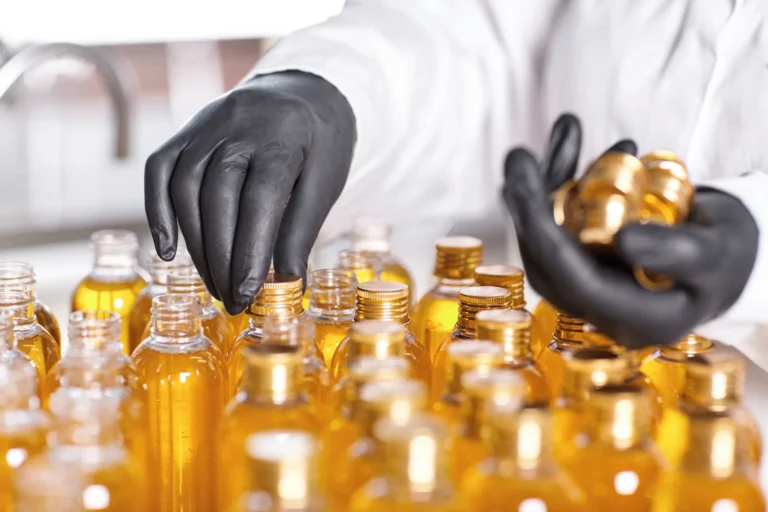
In batch manufacturing, products go through the production process in discrete stages. Quality control checks can take place at each stage before the product is released to the market or moved on for further processing.
Release of the final product only occurs after successful completion of all quality assurance checks throughout the manufacturing process.
A good recent example of batch control we’ve all heard about is the rollout of the Covid-19 vaccine. Raw materials are tested on receipt to ensure they meet the correct quality standards, added to a bioreactor, and the vaccine is produced over the course of several days.
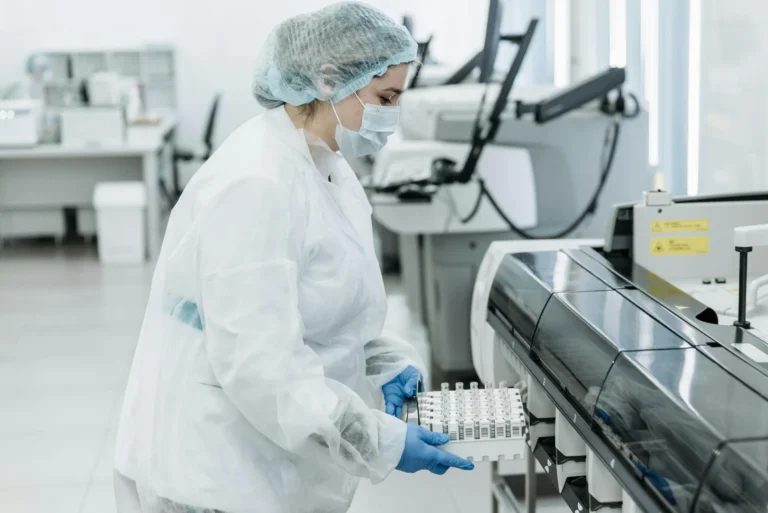
Once this stage is complete, the intermediate product is transferred from the bioreactor to an isolated storage vessel. Testing is then carried out to ensure the potency and purity of the solution.
The product is transferred to a fill-and-finish facility, where it is bottled, labeled, and held again while further samples are collected for testing. If testing confirms the product’s quality, the vaccine is released for distribution to vaccination centers and use.
The vaccine is held in storage awaiting test results at the intermediate and fill-and-finish stages of the product, which can take many days, causing an inevitable buildup of inventory and a delay in the system.
Although quality control testing is generally invisible to the public, in a world following the vaccine rollout through round-the-clock news updates, that time lag becomes highly visible, showing us that the manufacturing process needs to be closely monitored.
Discrete Samples vs. Batch Manufacturing
In a laboratory where discrete samples are submitted for testing, linking between different sample types is not required.
Contract laboratories where samples are sent in for testing, water laboratories where water samples are collected from multiple locations, and Covid testing laboratories where individual samples are tested are typical examples of discrete testing.
In these workflows, samples are logged, received, tested, validated, and approved largely on an individual basis.
Samples can be related and compared by sample type, supplier, batch, and so on, but each sample remains discrete in a non-batch manufacturing laboratory.
By contrast, in a manufacturing workflow, samples from across the entire production line, and of very different types, are related to one another.
This relationship must be known to the laboratory for traceability purposes. It is precisely this linkage that defines a manufacturing LIMS, as distinct from a simple monitoring LIMS.
Traceability
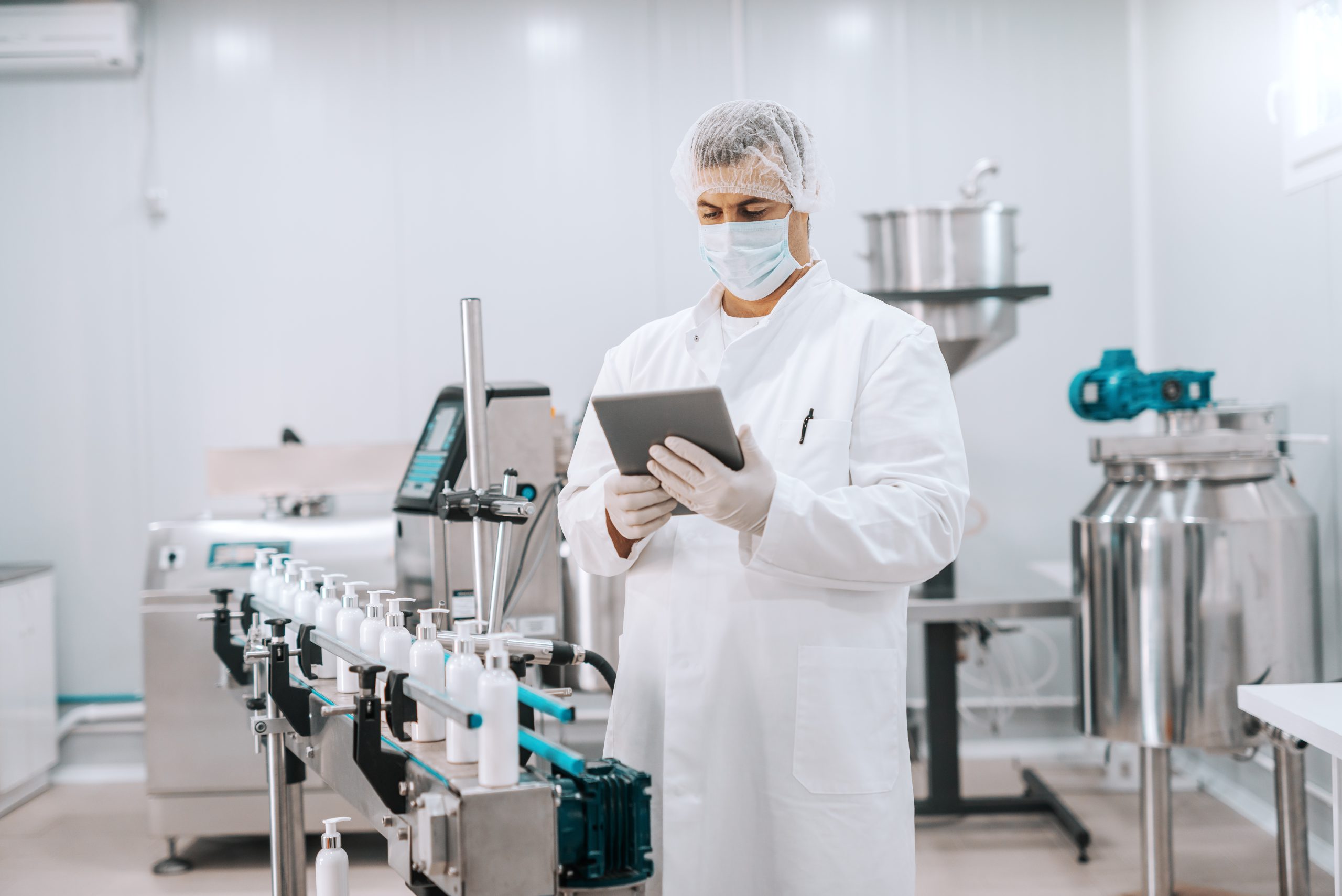
Traceability is essential, and it must be possible to link the batches of materials used to the tests performed throughout the process.
Should any issue be found, the source can be identified, and if the problem lies in a raw material or an intermediate material batch, the concept of traceability means that any other products in which those batches were used can also be identified.
With this identification, it becomes possible to guarantee the efficient and safe disposal or reworking of that product, preventing it from reaching the market and minimizing financial loss.
LIMS and Batch Quality
It’s important to assess whether the LIMS you’ve acquired has a dedicated setup for your type of laboratory, which will ensure that the core requirements for that environment are already built into the system.
This saves considerable time and cost in deploying the LIMS and operating it within a laboratory.
Despite many similarities, no two manufacturing laboratories are ever identical in how they work or in the data they need to capture.
This means that by adopting a LIMS for quality control within a manufacturing workflow, it becomes possible to centralize all information regarding samples, tests, and products.
In addition, the ability to define specific workflows for individual users or user types streamlines the batch testing process, reducing the time it takes before a product can be distributed.
Learn More: Comparing LIMS Solutions: Everything You Need to Know
Conclusion
When it comes to batch manufacturing, traceability is an extremely important factor, and this factor can be guaranteed with a LIMS.
But it’s also important to make sure the system you’ve acquired actually fits the needs of your process, since only then is it possible to ensure effective quality control with the fewest possible errors.
At Actiz, we provide dedicated systems for every type of laboratory, ensuring that the core LIMS requirements for these environments are already built into the system.
Get in touch with us and find out how Actiz can improve the way you control the quality of your products.