Veja como o Actiz LIMS pode transformar seu laboratório
Peça uma demo
LIMS in Chilean Mining: How Labs Can Evolve
Laboratory automation and LIMS for mining in Chile increase efficiency, traceability, ISO 17025 compliance, and reliable decision-making.

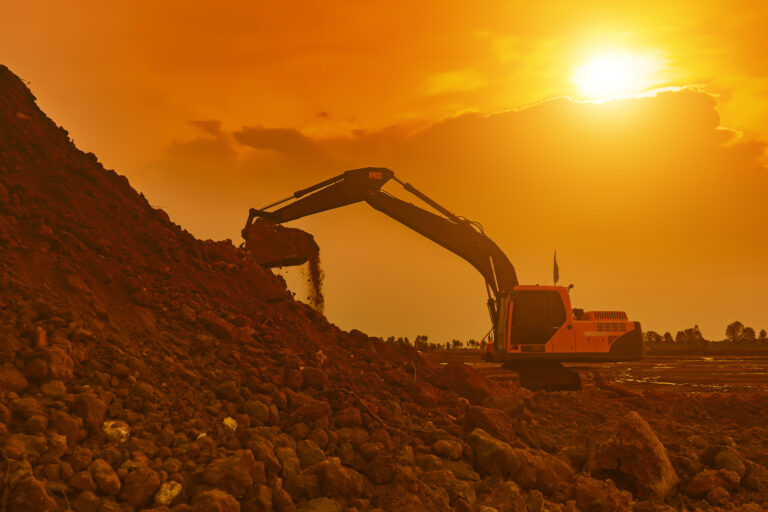
Mining in Chile, a country that is a global benchmark in copper and lithium production, faces an increasingly challenging landscape. The push for greater productivity, combined with strict environmental pressures and tighter operating margins, has made operational efficiency a decisive competitive factor. In this context, mining laboratory automation, supported by a Laboratory Information Management System (LIMS), has shifted from being a differentiator to becoming a strategic necessity.
Quality control, which underpins critical decisions across the entire production chain, from the mine to the processing plant, must operate with maximum precision, traceability, and agility. In this sense, modernizing this process through a specialized LIMS for mining in Chile not only ensures the integrity of analytical data but also reduces operational risks and ensures compliance with international standards, such as ISO 17025.
In this article, you will learn how laboratory automation and a LIMS dedicated to the mineral sector can transform your laboratory’s operation.
The Risk of Manual Processes in Chilean Mining
Despite the technological advances seen in mining in Chile, many laboratories still rely on manual processes, decentralized controls, and spreadsheet-based records. This model limits sample traceability, increases exposure to operational errors, and compromises the agility needed to support critical decisions at the mine and the processing plant.
When laboratory information does not flow in a standardized, integrated, and reliable way, the entire production process loses efficiency and predictability. In this scenario, adopting a LIMS for mining goes beyond simply digitizing records: it involves creating a structured environment in which data, processes, and people operate in an integrated way, reducing failures, rework, and operational risks.
By centralizing information and automating analytical workflows, LIMS directly contributes to improving operational performance and strengthening laboratory data governance.
See also: The 5 Major LIMS Trends
Automation and Data Integrity: The Foundation for Reliable Decisions
In the mineral industry, the reliability of laboratory analyses is an essential pillar for process control, product quality, and regulatory compliance. The automation provided by a LIMS enables direct integration between analytical instruments and the management system, ensuring that results are recorded automatically, consistently, and securely.
This approach significantly reduces reliance on manual intervention, mitigating risks associated with transcription errors and data inconsistencies. In addition, LIMS organizes results within a complete analytical context, linking methods, control parameters, and analysis history, which increases the reliability of the information used in decision-making.
As a result, the laboratory becomes a secure source of strategic data for the entire mining operation.
Analytical Method Management and Results Reliability
In large-scale operations, such as those in mining, maintaining consistency of analytical results over time and across different shifts is a constant challenge. A LIMS contributes directly to this goal by promoting the standardization of methods, procedures, and analytical criteria.
Through the automation of calculations, validations, and workflows, the system reduces analytical variability and ensures that results are always generated from approved and controlled methodologies. This standardization is fundamental not only for operational efficiency but also for meeting international quality standards such as ISO 17025.
Traceability and Regulatory Compliance: From Sample to Report
Traceability is a strategic and regulatory requirement in industrial operations, as it ensures transparency, process control, and information integrity.
In this context, a LIMS makes it possible to track the entire sample lifecycle, from collection to the issuance of the final report, through structured records and complete audit trails, ensuring greater reliability and support for operational decisions.
This capability is especially relevant for companies operating in Chile, where mining activity is strictly regulated by agencies such as SERNAGEOMIN (Servicio Nacional de Geología y Minería), the body responsible for the oversight and technical control of mining in the country.
In this context, in addition to meeting local requirements, laboratories must also demonstrate compliance with international quality standards such as ISO 17025.
As a result, using a LIMS facilitates the generation of technical, environmental, and quality reports in a consistent, reliable, and fully auditable manner. With centralized and organized data, the laboratory reduces the operational effort associated with audits and inspections while strengthening regulatory compliance and process transparency.
Check out an Actiz LIMS use case: How Fundases Strengthened ISO 17025 Compliance and Optimized Traceability with Actiz LIMS
The Digitalized Laboratory as a Strategic Element in Mining
Implementing a LIMS in mining laboratories establishes quality control as a structural element of the operation, integrating data, processes, and people into a single management environment. More than automating routines, the system establishes a reliable foundation for laboratory data governance and the standardization of analytical processes.
With well-defined workflows and centralized information, LIMS increases operational predictability, reduces reliance on manual intervention, and supports more consistent decisions throughout the production cycle. This level of operational maturity is essential for large-scale operations, such as mining in Chile, where efficiency, compliance, and reliability go hand in hand.
For organizations seeking not only to meet regulatory requirements but also to elevate their operational performance, Actiz LIMS offers a robust and flexible platform, developed to address the specific challenges of the mining industry. Want to know more? Schedule an Actiz LIMS demo now!