Veja como o Actiz LIMS pode transformar seu laboratório
Peça uma demo
What Is Instrument Management? How to Start
Learn what instrument management is and how to implement it in your quality control laboratory.


Learn what instrument management is and how to implement it in your quality control laboratory.
A quality control laboratory goes through several stages to demonstrate the quality and reliability of its results, from initial quality control planning through to accreditation.
A crucial part of obtaining reliable results is the response of the instruments used in the analyses and, for that reason, it’s extremely important to know when they should be calibrated, adjusted, or sent for maintenance.
That’s why, in this article, you’ll understand the difference between each of these actions, and how a laboratory management software can help you take the best possible care of your instruments.
Also watch: LIMS in practice: laboratory, data, and sample management
Calibration or Verification: What’s the Difference?
It’s very important that the professional can trust the instruments being used in the laboratory. That’s why understanding how to calibrate instruments is fundamental.
Calibration establishes a relationship between the values and measurement uncertainties provided by standards, called reference values. It’s essential that calibration be performed using a traceable standard, one that can be compared against a national measurement standard.
Verification, on the other hand, is the process that must be carried out periodically to ensure the instrument is functioning as it should. Unlike calibration, verification doesn’t require any kind of adjustment to the instrument; any adjustment is done subsequently, depending on the verification result.
We know that calibrating instruments is necessary to ensure the reliability of measurements, associating a carefully calculated uncertainty with the results. In cases where uncertainty values exceed what’s acceptable, the instrument must be adjusted, and if it still shows considerable errors during testing even after that, it’s time to perform maintenance.
In other words, calibration is performed directly on the instrument to minimize errors, while verification aims to confirm that the instrument is functioning as intended.
How Adjustment and Calibration Differ
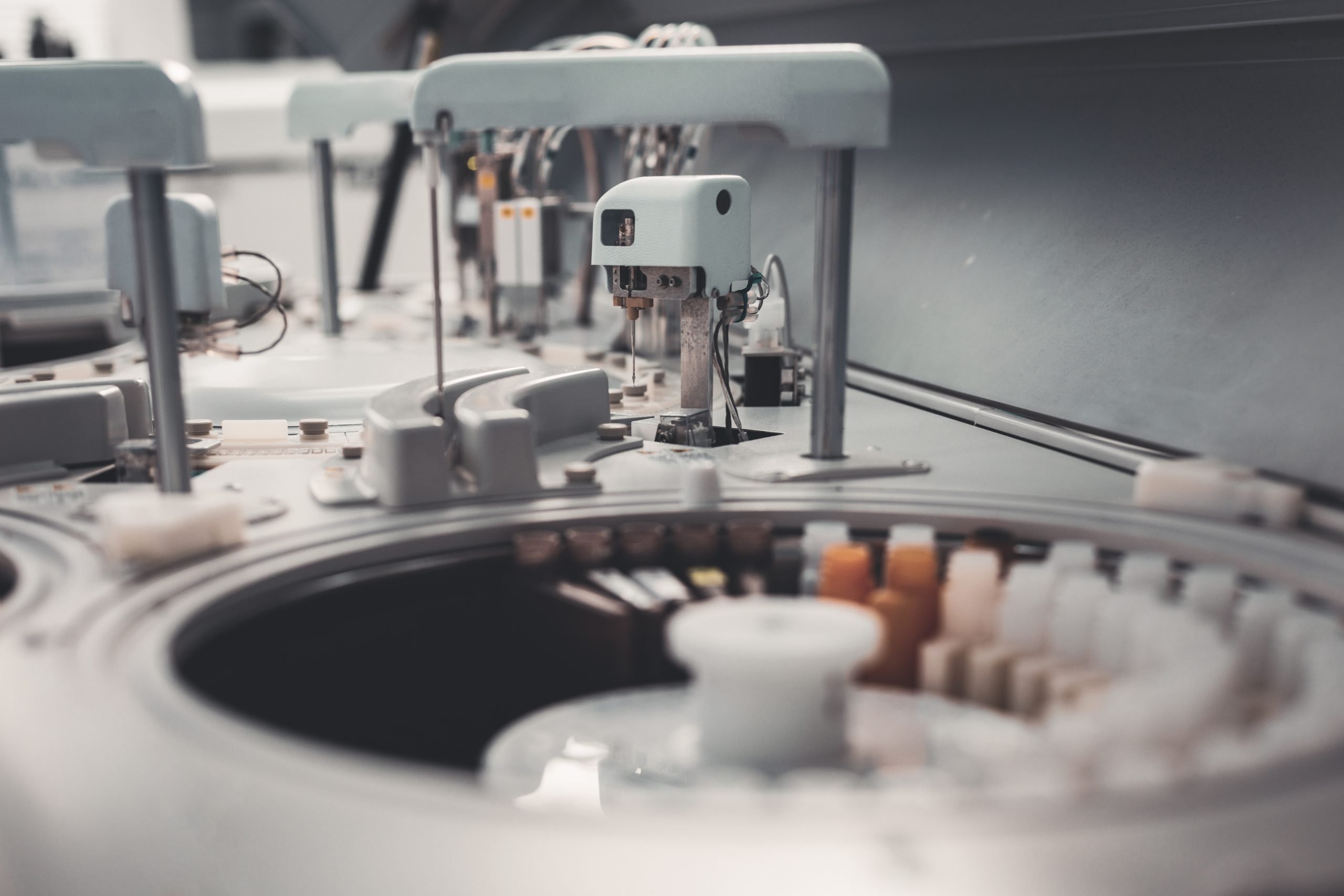
It’s very important that the professional can trust the instruments being used in the laboratory. That’s why understanding how to calibrate instruments is fundamental.
Calibration establishes a relationship between the values and measurement uncertainties provided by standards, called reference values. It’s essential that calibration be performed using a traceable standard, one that can be compared against a national measurement standard.
Verification, on the other hand, is the process that must be carried out periodically to ensure the instrument is functioning as it should. Unlike calibration, verification doesn’t require any kind of adjustment to the instrument; any adjustment is done subsequently, depending on the verification result.
We know that calibrating instruments is necessary to ensure the reliability of measurements, associating a carefully calculated uncertainty with the results. In cases where uncertainty values exceed what’s acceptable, the instrument must be adjusted, and if it still shows considerable errors during testing even after that, it’s time to perform maintenance.
In other words, calibration is performed directly on the instrument to minimize errors, while verification aims to confirm that the instrument is functioning as intended.
Preventive vs. Corrective Maintenance
Maintenance is performed to correct faults that appear after a certain period of use, in order to ensure the instrument operates within the characteristics defined by the manufacturer, per the standards it was designed for. This maintenance can be preventive or corrective.
In preventive maintenance, the goal is to inspect the instrument in order to find potential sources of error, and eliminate them before they become an actual problem, such as replacing worn parts on a piece of equipment while it’s still operating.
Corrective maintenance is the opposite: it’s based on fixing the problem, when a piece of equipment stops working correctly and needs to be examined to identify the cause.
When not planned for, corrective maintenance can generate high costs for the laboratory; therefore, the correct approach is to implement a plan for instrument maintenance.
In this way, preventive maintenance should be performed periodically, extending the useful life of instruments. Based on the data obtained from it, it’s possible to predict when corrective maintenance will be needed and, consequently, act so that when it does occur, the entire laboratory has been notified in a way that avoids loss of samples and time, minimizing unnecessary expenses.
Instrument Management and LIMS
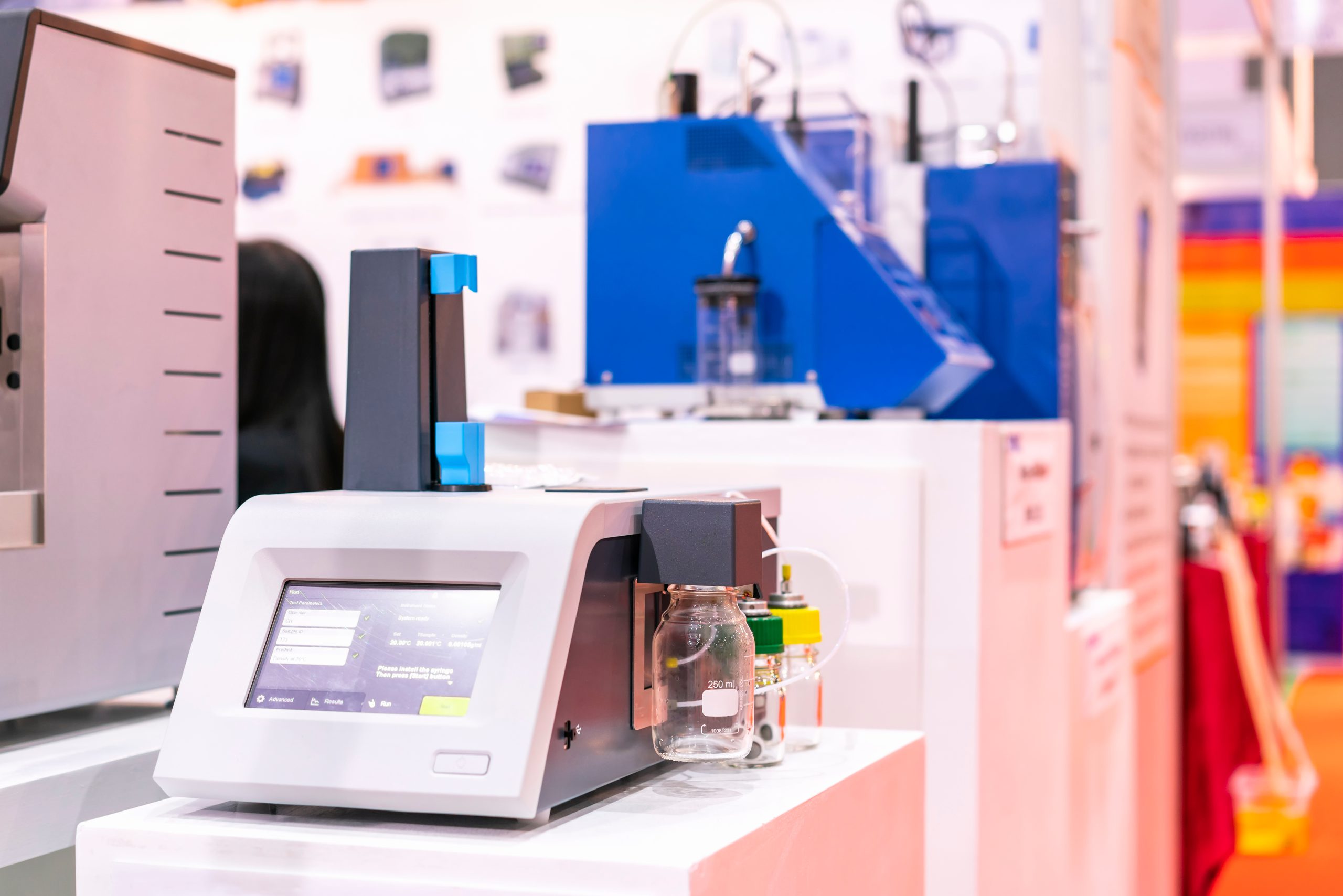
Once you understand all the actions needed to ensure the useful life of your instrument, it’s important to maintain and follow a plan that helps you with this.
But knowing when to verify an instrument, or knowing when it needs maintenance, isn’t such an easy task. That’s why implementing a LIMS (Laboratory Information Management System) can be your best choice.
Certain software solutions offer a complete instrument management solution, where you can build a maintenance, calibration, and adjustment plan according to your laboratory’s routine, taking into account frequency of use, operating time, and other variables relevant to the instrument in question.
Conclusion
Constant care is required to ensure and maintain the quality of the instruments used within a laboratory. Knowing exactly when to verify, calibrate, adjust, or perform maintenance is fundamental to ensuring that the results you issue are correct.
With this in mind, we can say that the goal isn’t to choose between one process and another, but rather to use all of them together, in an effort to keep instrument performance at an optimal level.
And, at this point, having a LIMS within the laboratory can be a great help, by coordinating instrument needs so that necessary downtime doesn’t directly affect production.
If you want the assurance that your instruments are delivering their best performance, Actiz can help with the process of managing and optimizing the use of your laboratory’s instruments. Get in touch and learn more.