Veja como o Actiz LIMS pode transformar seu laboratório
Peça uma demo
LIS or LIMS? Which System Does Your Lab Need?
Learn the key differences between a LIMS system and a LIS system, and find out which one is the right fit for your organization.


Learn the key differences between a LIMS system and a LIS system, and find out which one is the right fit for your organization.
When discussing laboratory management, it’s common to come across the acronym LIS (Laboratory Information System) used interchangeably with LIMS (Laboratory Information Management System). But the truth is these systems are quite different.
So if you want to understand the difference between these two systems and which one you should apply in your laboratory, just keep reading this article.
What Is an LIS?
When comparing LIS with LIMS, the main difference is that LIS is patient-focused and emphasizes the secure maintenance of personally identifiable information.
This was formalized through HIPAA requirements – the Health Insurance Portability and Accountability Act – a U.S. federal statute enacted in 1996. LIS stores and manages patient data and test results.
LIS software typically includes features such as: patient demographic information, including name, date of birth, ethnicity, and blood type – important data that enables accurate interpretation of test results and diagnosis of conditions, as well as tracking of patient samples and test results.
A historical record of clinical diagnosis, treatment, and patient outcomes, plus integration with high-throughput clinical analyzers, and integration with various other health informatics systems, potentially using protocols such as HL7 (Health Level 7).
On the other hand, LIMS is sample-centric. It has always been focused on the efficient management of general laboratory workflows, but can also be used in batch-oriented environments.
LIMS software supports organizations that work with standards and regulations, such as ISO/IEC 17025, which sets proficiency requirements for testing and calibration; GMP (Good Manufacturing Practices), which govern the manufacturing of certain products such as food and pharmaceuticals; as well as compliance with FDA (Food and Drug Administration) 21 CFR Part 11, which governs the use of electronic records and electronic signatures.
Also watch: LIMS: What It Is and How It Works?
LIS vs. LIMS
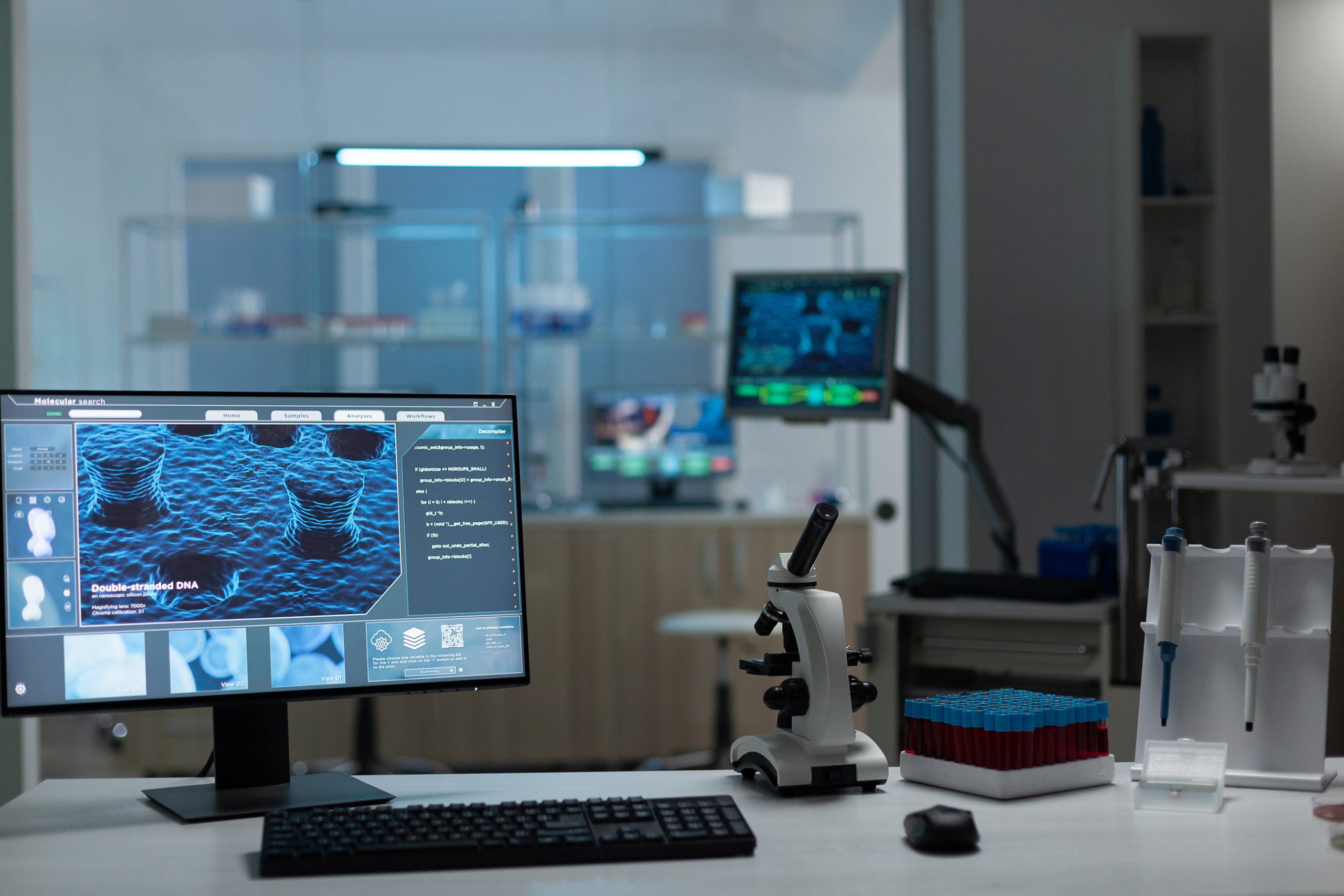
A LIMS system offers many benefits for regulated industries, such as the pharmaceutical, food, and water industries.
However, these benefits – including secure data storage in a single repository, seamless integration with analytical instruments, automated management reporting, and generation of certificates of analysis – mean that LIMS has been widely adopted across a broad spectrum of applications. LIMS eliminates the use of paper, making the paperless laboratory a real possibility.
Without a doubt, there is significant functional overlap between LIMS and LIS. Biobank management, clinical trial management, and veterinary diagnostic systems – all typically implemented with a LIMS – are examples of where functionality can look the same as, or very similar to, LIS.
All of them can contain patient demographic data and record clinical trial results, along with some type of clinical interpretation of the results. However, these applications are typically LIMS-based.
This is symptomatic of the inherent flexibility of LIMS, allowing it to support a wide range of applications.
The important distinction is that there are laboratory computer systems designed specifically to manage diagnostic testing (LIS), and laboratory computer systems for other types of testing (LIMS). While there are many similarities, there are also important differences that mean they are not interchangeable.
It’s important that these differences be understood. They range from workflows and support for industry standards and regulations to cost. Current LIS/LIMS solutions meet the needs of both the clinical and non-clinical markets.
A LIMS typically includes features such as:
- Batch tracking and management, as well as individual sample tracking;
- Workflow management, ensuring compliance with laboratory practices;
- Management of multiple specifications to verify product quality;
- Laboratory management functionality, such as instrument calibration and staff competency management;
- Integration with analytical instruments and instrument systems, from simple scales to complex data systems;
- Integration with other business systems, such as Enterprise Resource Planning (ERP) and Manufacturing Execution Systems (MES).
Since each industry they serve is different, most LIMS vendors create industry-specific variants of their software to meet these particular needs.
Conclusion
Even with some overlapping functions, LIS and LIMS are completely different systems with different objectives for their applications. And knowing this difference is essential.
But if what you need is a LIMS, Actiz is the right choice for you. With highly customizable features, the system delivers exactly what your laboratory needs. Get in touch and learn more.